You have probably seen Kartra pushed by a coach or an affiliate who swears it replaced eight tools at once, and the question underneath the pitch is a fair one: is it real, and will you regret paying for it? The short answer is that it is real. Kartra Inc., part of Genesis Digital, has run the platform since 2018, it lists more than 60,000 customers, and it is one of the better-known names in creator software. What can go wrong is specific, and worth knowing before you pay.
Kartra is best understood as a marketing platform for anyone who sells what they know. It bundles landing pages and funnels, email and SMS, a checkout, memberships and courses, a calendar, an affiliate manager, a helpdesk and video hosting into one account. The pitch is that a coach, consultant or course creator can run the whole path from first click to paid customer in one place, with no separate page builder, email tool, course host and cart to wire together.
What Kartra does well
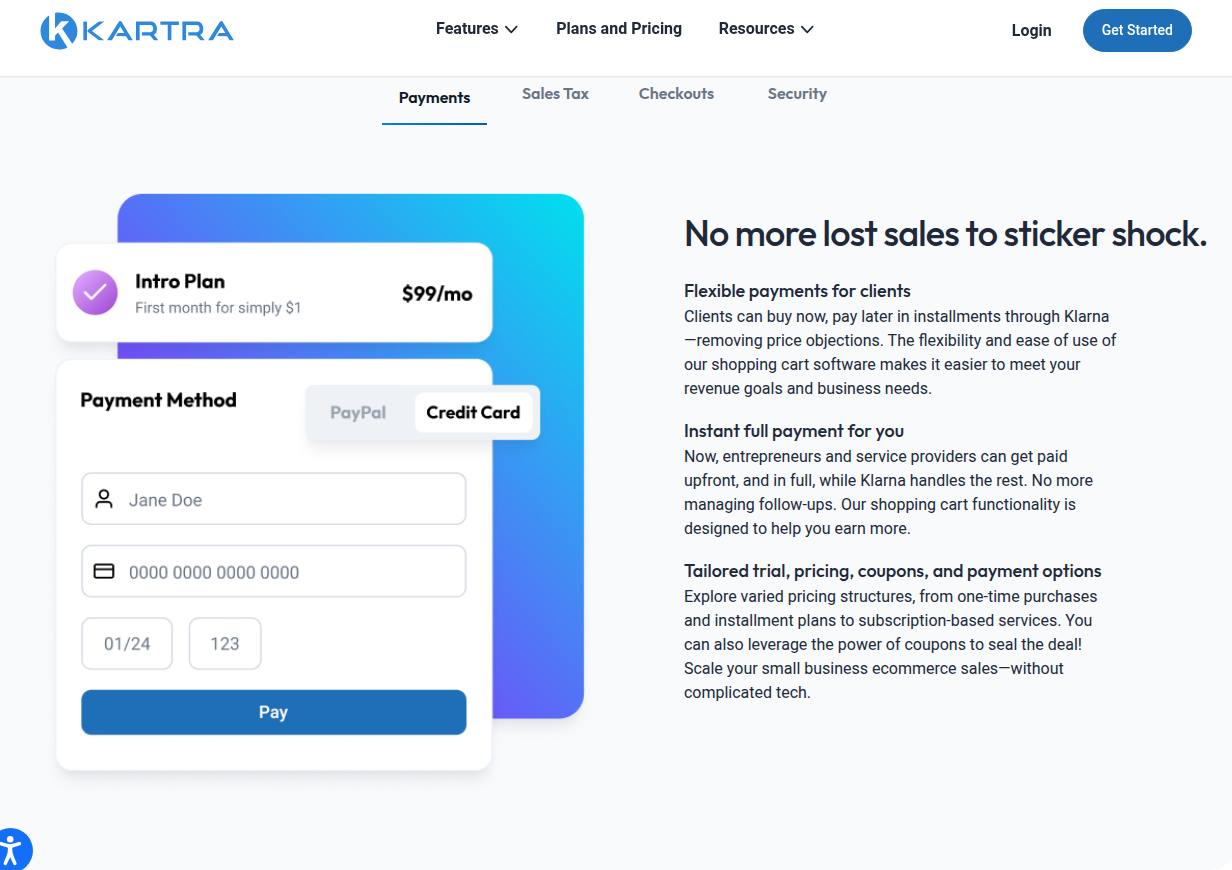
The strongest part is the checkout. It is designed to sell: branded order forms, coupons, installments through Klarna and one-click upsells that fire after the first purchase to raise the average order value. If you sell a $47 course with a $200 upsell behind it, that flow is built in.
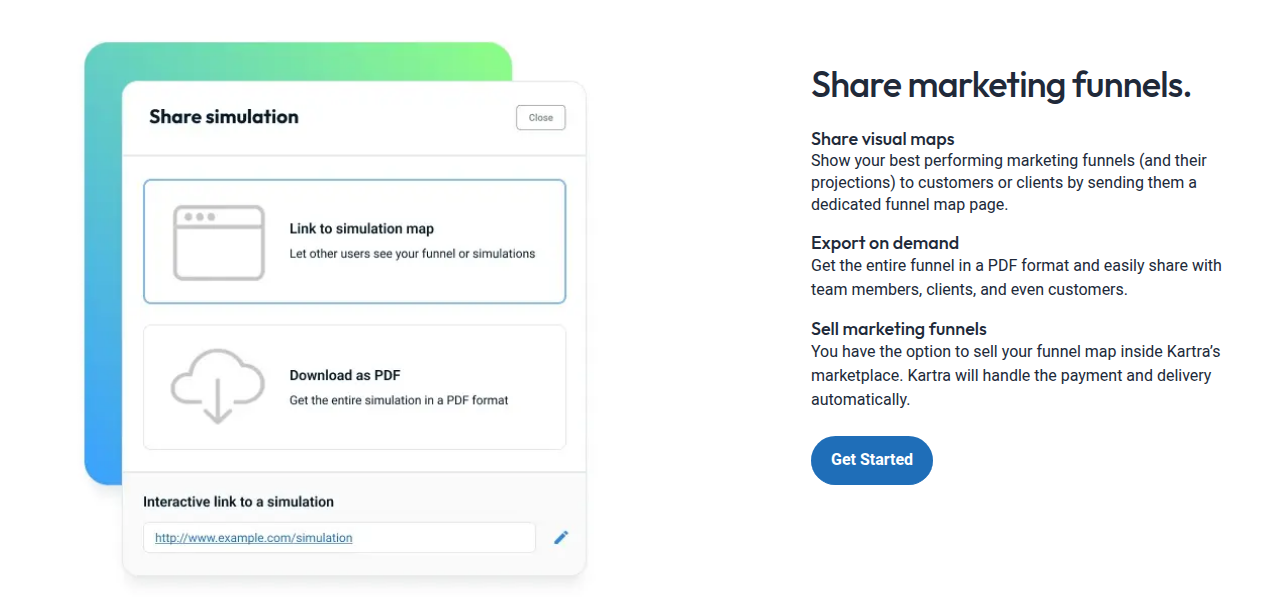
The funnel planner is the other feature that earns its keep. You lay out a multi-page journey on a canvas, simulate it, and even share or export the map to a client before a single page is built. Paired with more than 100 done-for-you campaign templates, it means you are rarely staring at a blank page. Kartra AI will draft page copy, emails and SMS in your voice, which speeds up the first draft even if you rewrite most of it.
The core promise also holds. For a creator who genuinely uses the whole suite, having everything in one place is a real saving in money and in the hours you would otherwise spend gluing tools together. Several long-term users say exactly that: the value shows up when the whole platform is in play.
Where you might regret it
Three things come up again and again from users who have lived in Kartra for a while. The first is support. It is the single most repeated complaint: slow human response, live-chat waits, and simple questions that take days. That is a nuisance most of the time and a genuine problem during a launch, when a broken checkout needs an answer within the hour. Kartra now routes you to an AI assistant first and lets you request a human, which helps for common questions, while the hard ones still wait for a person.
The second is the builder itself. It covers a lot of ground and runs slowly. Reviewers describe lag, occasional glitches, and workflows where a simple edit takes more clicks than it should. None of it is fatal, but it is the kind of friction you should feel for yourself on the trial before you move a whole business inside it.
The third is value, and it depends on how much of Kartra you use. The platform is priced to be worth it when you use most of it. Users who simplified their stack, or who only ever needed one piece, found it expensive for what they got. If all you want is one page or a mailing list, a cheaper dedicated product will beat it. Kartra makes sense when the whole workflow runs in one account.
One more thing to size up honestly: Kartra tracks contacts, tags, purchases and automations, and stops short of a sales CRM, with no deal stages, forecasting or task management. Fine for a solo creator, thin for a sales team that lives in a pipeline. And as with any platform that holds everything, leaving is work: the funnels, the email logic and the member sites you build inside Kartra do not export cleanly.
What buyers say, in their words. The critical view is well summarised by a 2025 Trustpilot reviewer, Philip, who wrote that the "Page builder is so slow and laggy" and that "Support can take up to a week." That pairing, slow to build and slow to get help, is the recurring shape of the complaints. On the other side, a five-star Trustpilot reviewer in October 2025 said the onboarding "Made me feel very comfortable with Kartra and glad I chose them," and in a 2026 Reddit thread weighing whether the price still holds up, one long-term user answered flatly that it is "Still worth it." Both readings are true at once: the people who use the whole platform tend to defend it, and the people who fight the builder or wait on support tend to leave.
Pricing, tier by tier. Kartra runs four monthly plans, with annual billing saving up to 22%. Essentials, at $59/mo, is the one to watch: it allows 500 contacts, 10,000 emails, five pages and a single product, and it shaves 5% off each sale, reason enough for most real businesses to skip it. Starter, $119/mo, is where the platform opens up, with 2,500 contacts, unlimited email and SMS, unlimited pages, products and courses, and no cut of your revenue. Growth at $229/mo adds automations, affiliate management and a funnel simulator, and lifts you to 12,500 contacts. Professional sits at the top, $549/mo, reaching 25,000 contacts and real-time funnel analytics. A 14-day trial and a 30-day refund window mean you can build one real funnel end to end before committing.
Kartra is a safe purchase for the creator it is built for, someone selling courses, coaching or memberships who will use most of the suite. Budget for Starter over Essentials, and test the builder and the support on the trial.