Skip to content

The paid-traffic deskmedia buyer software

The paid-traffic stack, reviewed

↗

Independent reviews of the trackers, page builders, attribution tools and ad-spy software media buyers actually pay for, each naming what it is bad at.

See the tracker ranking
46 tools reviewed246 head-to-heads46 switching guides90 day review cycle

The tools we rate

Every review

coaches, course creators and experts who want to build, sell and deliver their whole knowledge business from one platform

Kajabi review

Kajabi is the pick if you are building a course or membership business and want the pages, the community, the email and the checkout under one login, with the strongest delivery experience in the category and no cut of your sales. The catch is cost. The entry plan jumped to $179 a month in 2026 and its contact limit was cut, so it only pays off once you are actually selling.
media buyers who want a cheap, broad ad library for creative inspiration

BigSpy review

BigSpy is the pick if you want the cheapest, widest ad library for creative inspiration across many platforms, as long as you start on the free plan, treat its metrics as directional, and set a reminder before any renewal.

High-volume DTC and own-offer sellers who need custom checkout, upsells and multi-gateway routing

Checkout Champ review

Checkout Champ is the pick if you already sell at real volume, run one-click upsells and subscriptions, and need to route payments across several merchant accounts from one CRM. It is a full direct-response platform with the learning curve to match. The catch is the commitment: it starts at $300/mo plus 1% of sales, there is no free trial or self-serve signup, and it hands you the hard parts. Tracking, chargebacks and gateway setup are yours to get right.

Affiliates and media buyers that want click tracking and hosted landing pages in one low-cost cloud tool

AdsBridge review

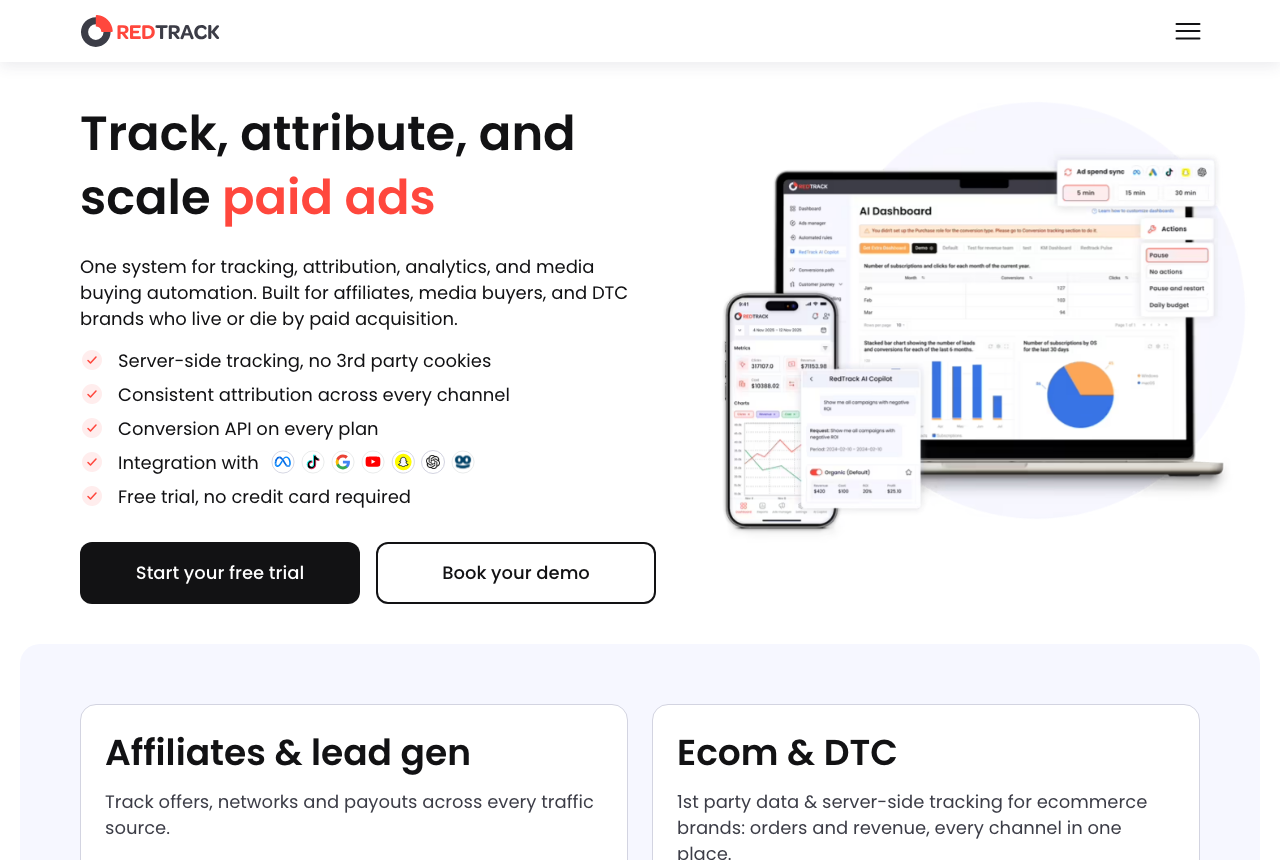
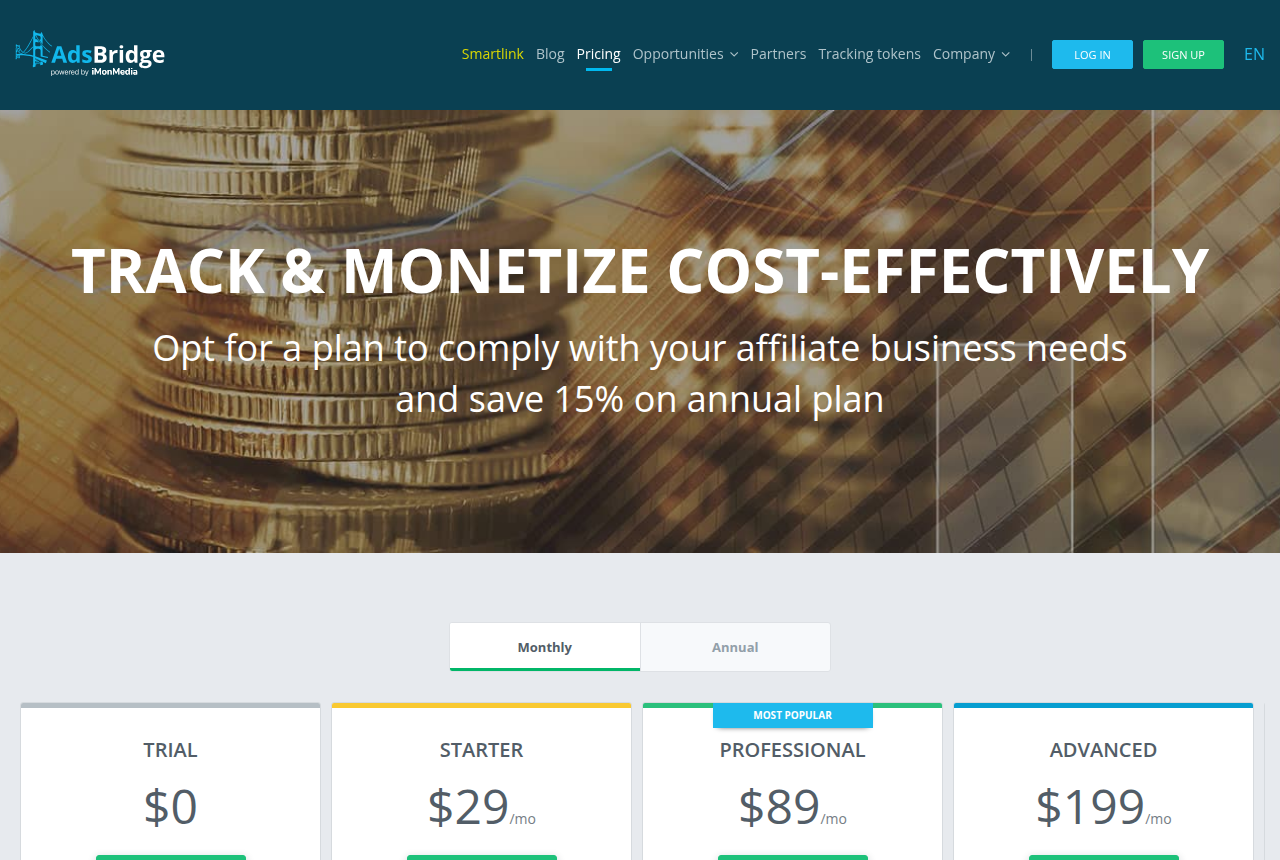
AdsBridge is a real, long-running cloud tracker that bundles a landing page builder and split testing for less than Voluum or RedTrack, so it fits an affiliate who wants tracking and pages in one low-cost tool. Skip it if fast redirects at high volume or a native Meta conversion API are what you are paying for, because that is where buyers report it trailing the leaders.

scaling and enterprise retail brands spending $100k+/mo on media who want platform-independent, full-funnel measurement

Fospha review

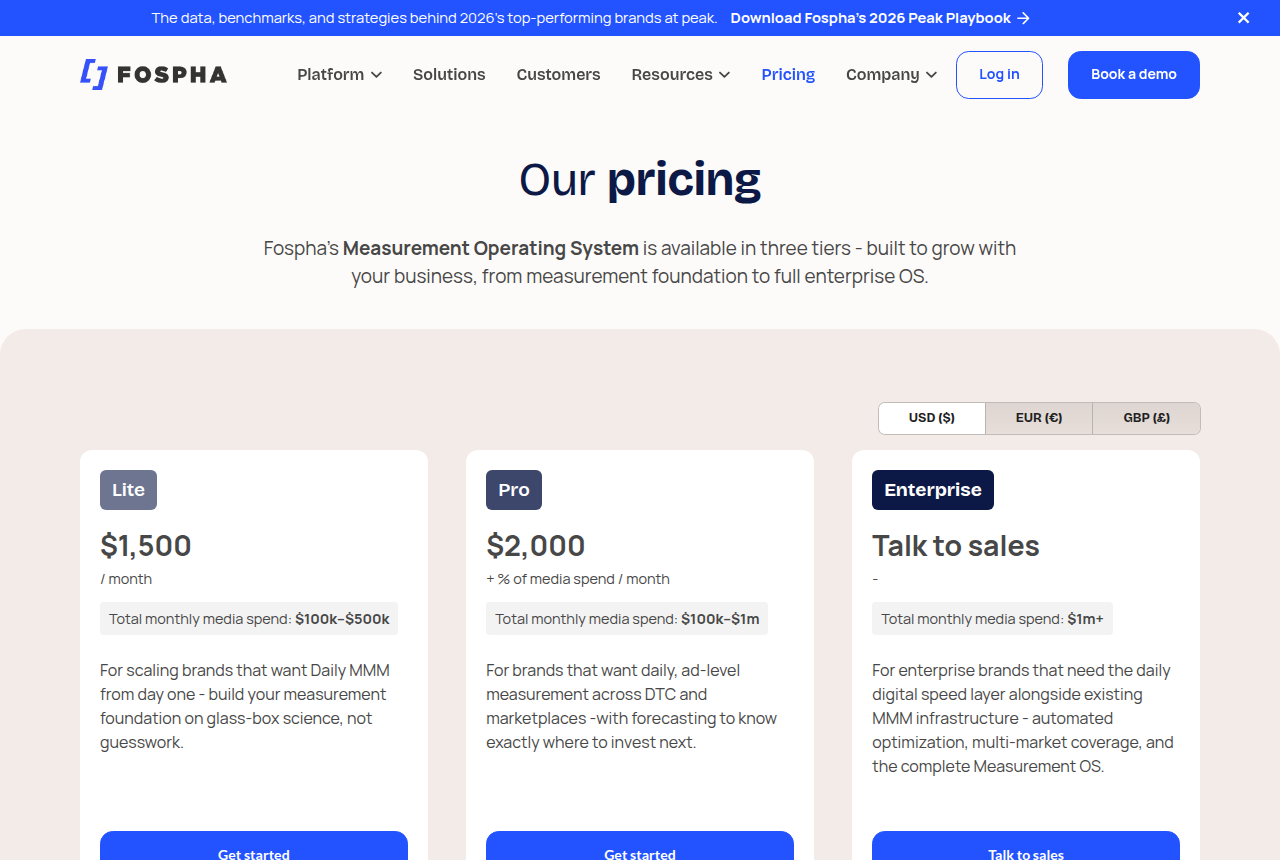
Fospha is a real, well-established measurement platform, so the risk is not whether it works. It is fit and cost. Buy it if you are a scaling or enterprise retail brand spending at least $100k a month on media, you sell across DTC and marketplaces like Amazon or TikTok Shop, and you want a platform-independent read on what your paid media is really doing. Skip it if you are a small store or a solo buyer whose spend lives in one or two ad platforms, where the $1,500 floor and the modeled, directional numbers cost more than your question needs.

Creators selling a first ebook, template or course who want zero setup and no monthly fee

Gumroad review

Gumroad is real, and it has been since 2011. For getting a first digital product online it is the fastest, cheapest way to start: no monthly fee, and it handles sales tax worldwide for you as merchant of record. Buy it if you are launching an ebook, template or course and want to be selling today. Think hard before you scale on it, because the flat 10% fee gets expensive with volume, and withheld payouts and sudden account suspensions are the recurring complaint against it.

Coaches, consultants and course creators who would rather run their pages, email, checkout and courses from one login than rent and wire together four separate subscriptions

Kartra review

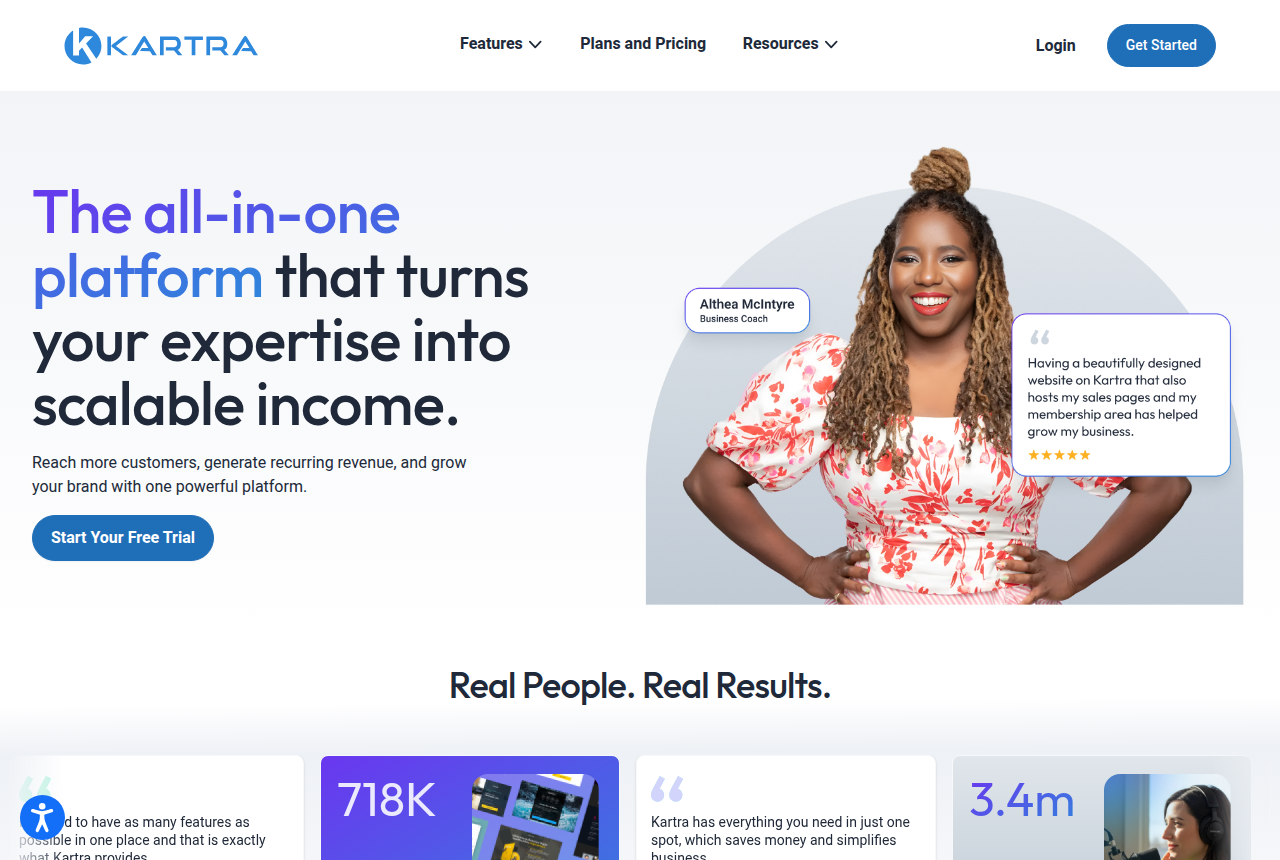
Kartra is the pick if you sell courses, coaching or memberships and want funnels, checkout, email and a member area running under one login instead of a stack of separate tools. It is a real, established platform used by tens of thousands of creators. The catch is that it earns its price only when you use most of it: support is slow, the editor lags, and the cheapest plan skims 5% off the top.

mid-market and enterprise brands measuring offline and digital together

Rockerbox review

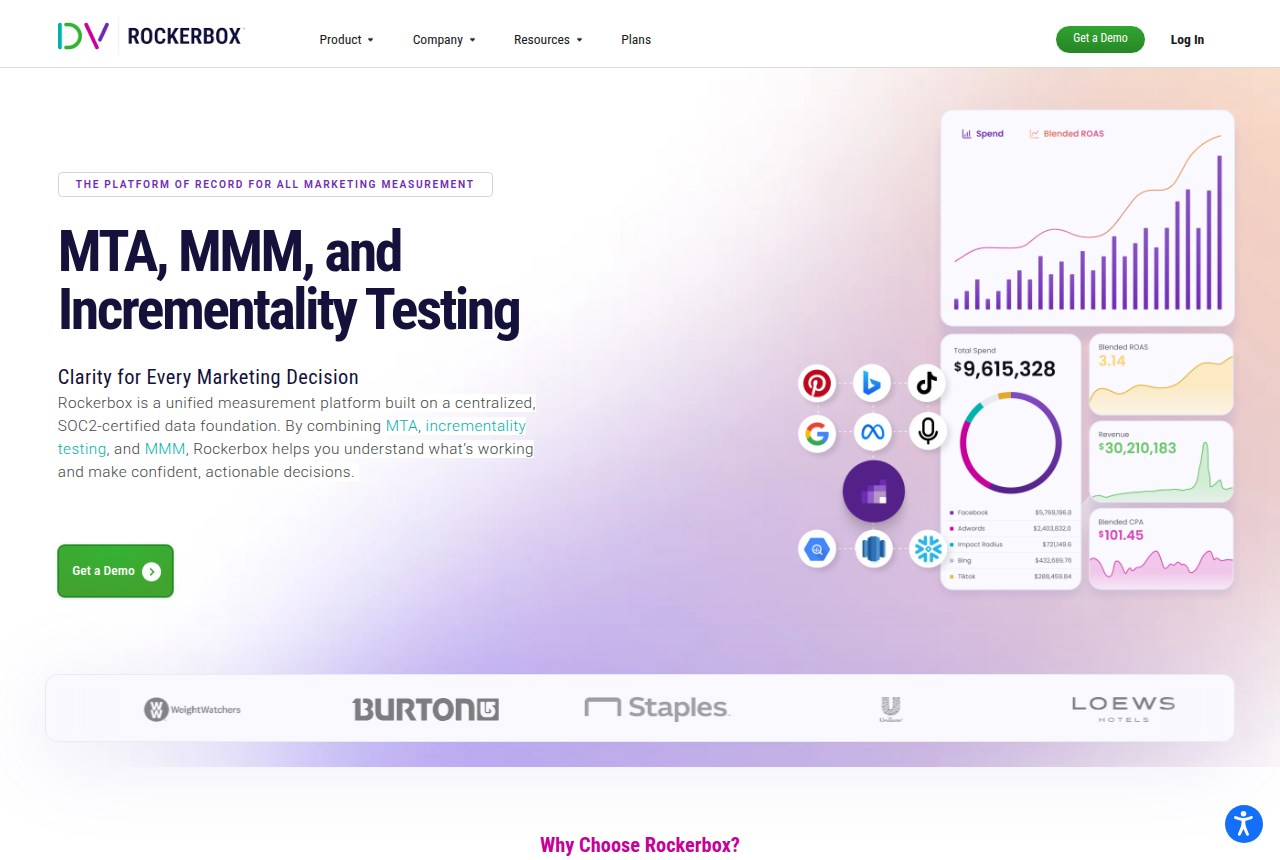
Rockerbox is real, well-established and now owned by DoubleVerify, so the risk is not whether it works. It is a question of fit and cost. Buy it if you are a mid-market or enterprise brand spending across many channels, including offline like connected TV, direct mail and podcasts, and you have a data owner to run it. Skip it if you are a small Shopify store on Meta and Google, where the price, the demo-gated quote and the six to eight week setup will cost more than the payoff.

Head-to-heads

All head-to-heads

Checkout Champ vs Paddle

Pick Checkout Champ if you run paid traffic at volume, need funnel pages with order bumps and one-click upsells, and want subscription billing routed across merchant accounts you hold; pick Paddle if you sell software or SaaS and want a merchant of record that files worldwide tax, screens fraud and contests chargebacks at a bundled 5% plus 50 cents per sale with no monthly fee.

SamCart vs Leadpages

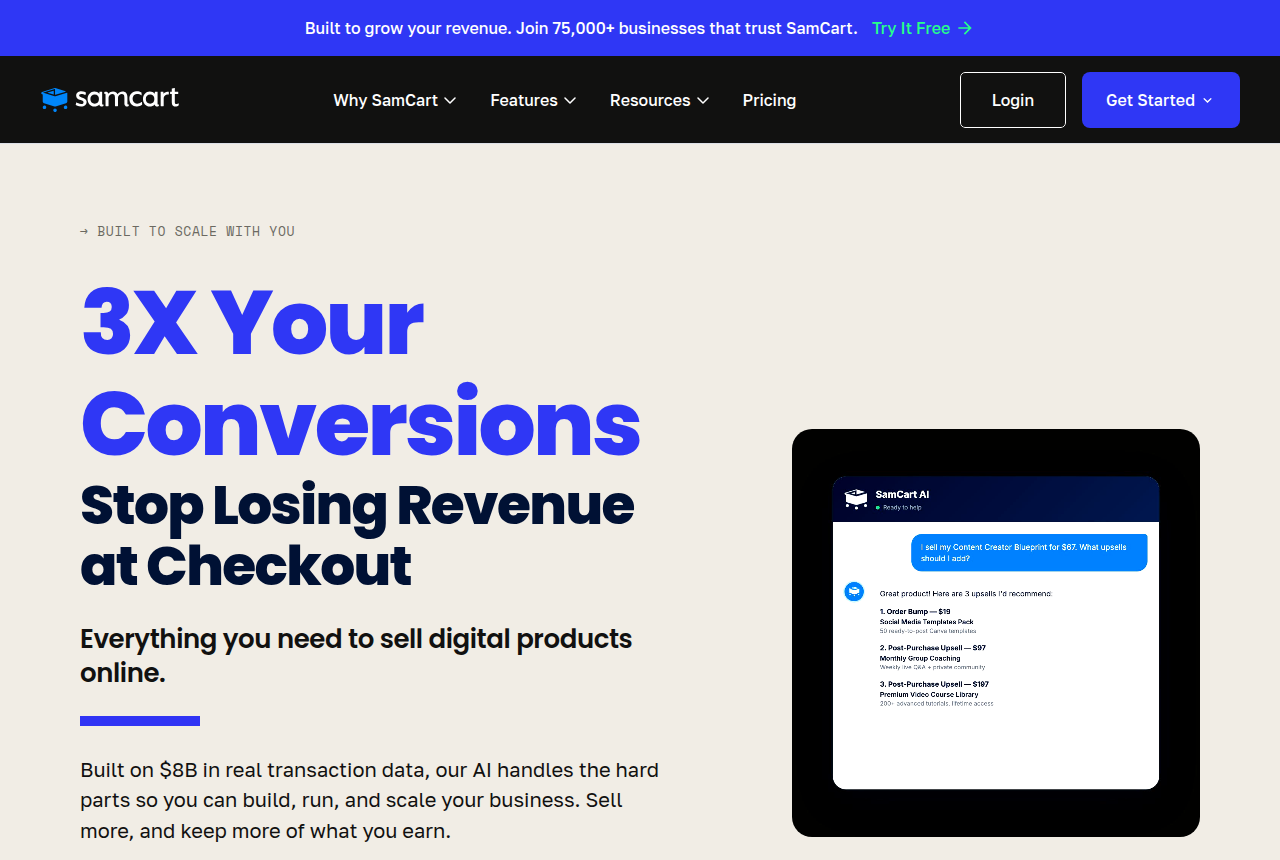
Pick SamCart if you sell digital products, courses or coaching and your bottleneck is checkout order value with order bumps, one-click upsells and failed-payment recovery, and you will budget for the $199 Pro plan; pick Leadpages if you buy paid traffic to landing pages and need lead capture, dynamic text and A/B testing on unlimited traffic with predictable billing.

Unbounce vs SamCart

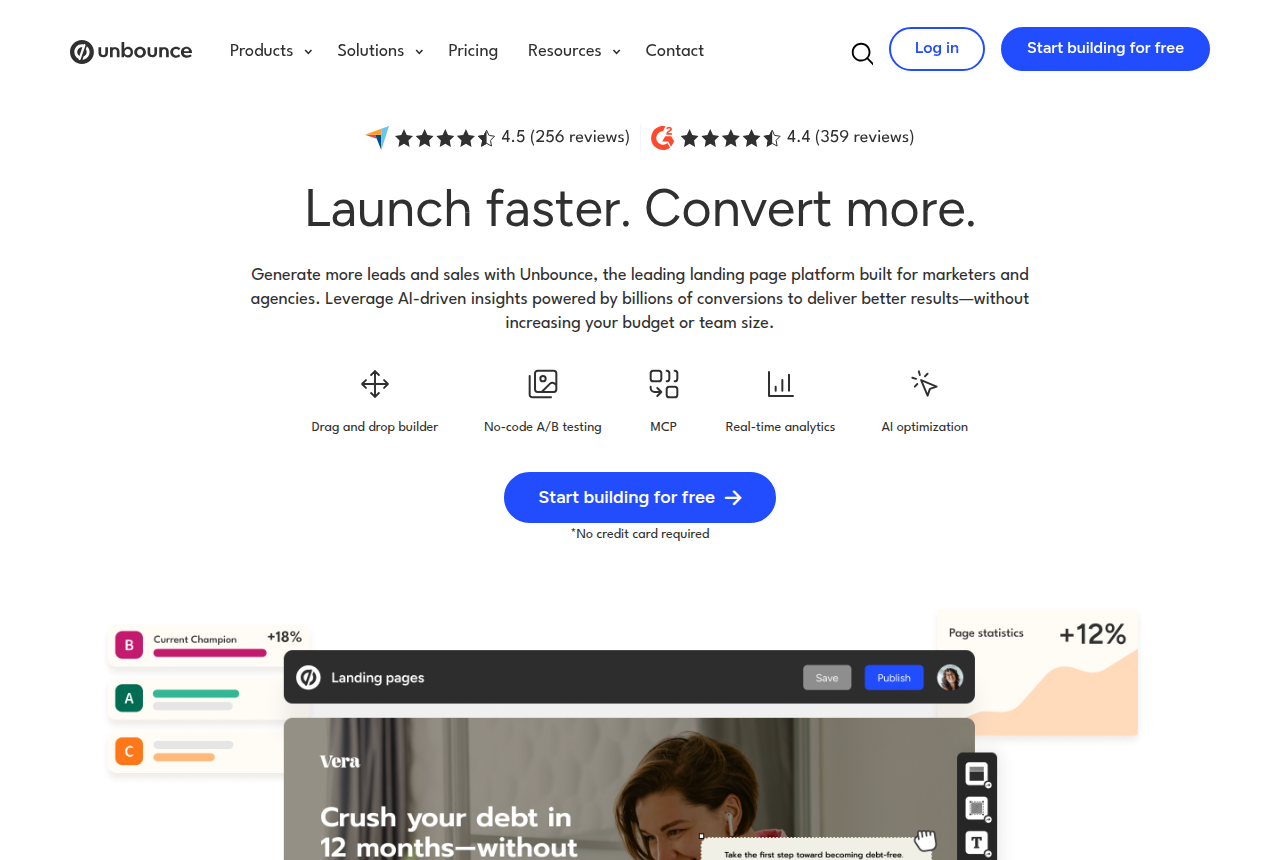
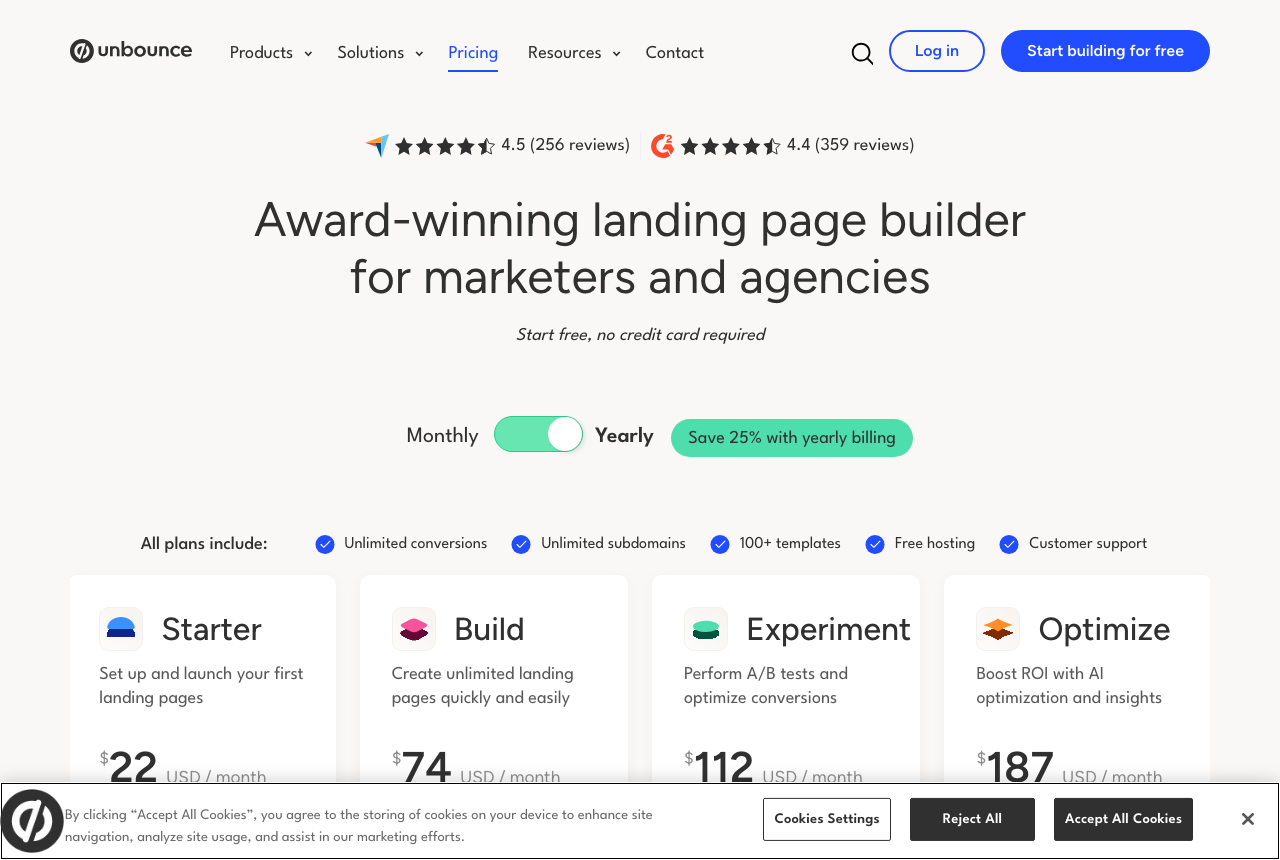
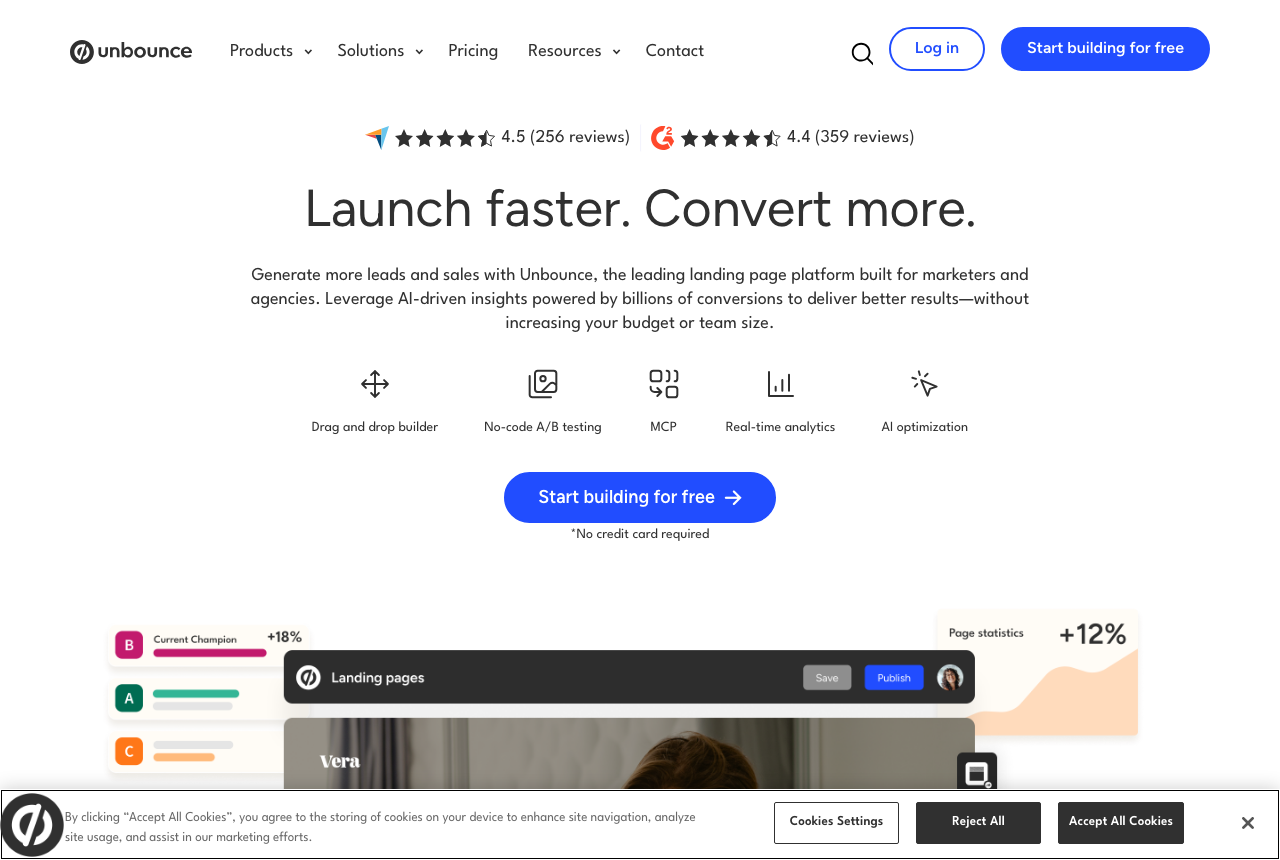
Pick Unbounce if you buy paid traffic and your next priority is message match, landing-page testing and traffic routing while checkout lives elsewhere; pick SamCart if your sales page already converts and your next priority is order value through order bumps, one-click upsells and subscription recovery.

Unbounce vs Systeme.io

Pick Unbounce if you buy paid search or social traffic and the job is landing pages, message match and serious page testing, and your checkout and email already live somewhere else; pick Systeme.io if you are a solo creator or beginner who wants funnels, email, a course and your own affiliate program in one cheap login, starting on a free plan, and can live with a basic page builder.

Gumroad vs Kartra

Pick Gumroad if you are launching a first ebook, template or course and want to pay nothing until you sell, with sales tax handled for you worldwide and a link you can share today; pick Kartra if you sell courses, coaching or memberships to an audience you build and want the pages, checkout, email, a member area and an affiliate manager running under one login.

ThriveCart vs Kajabi

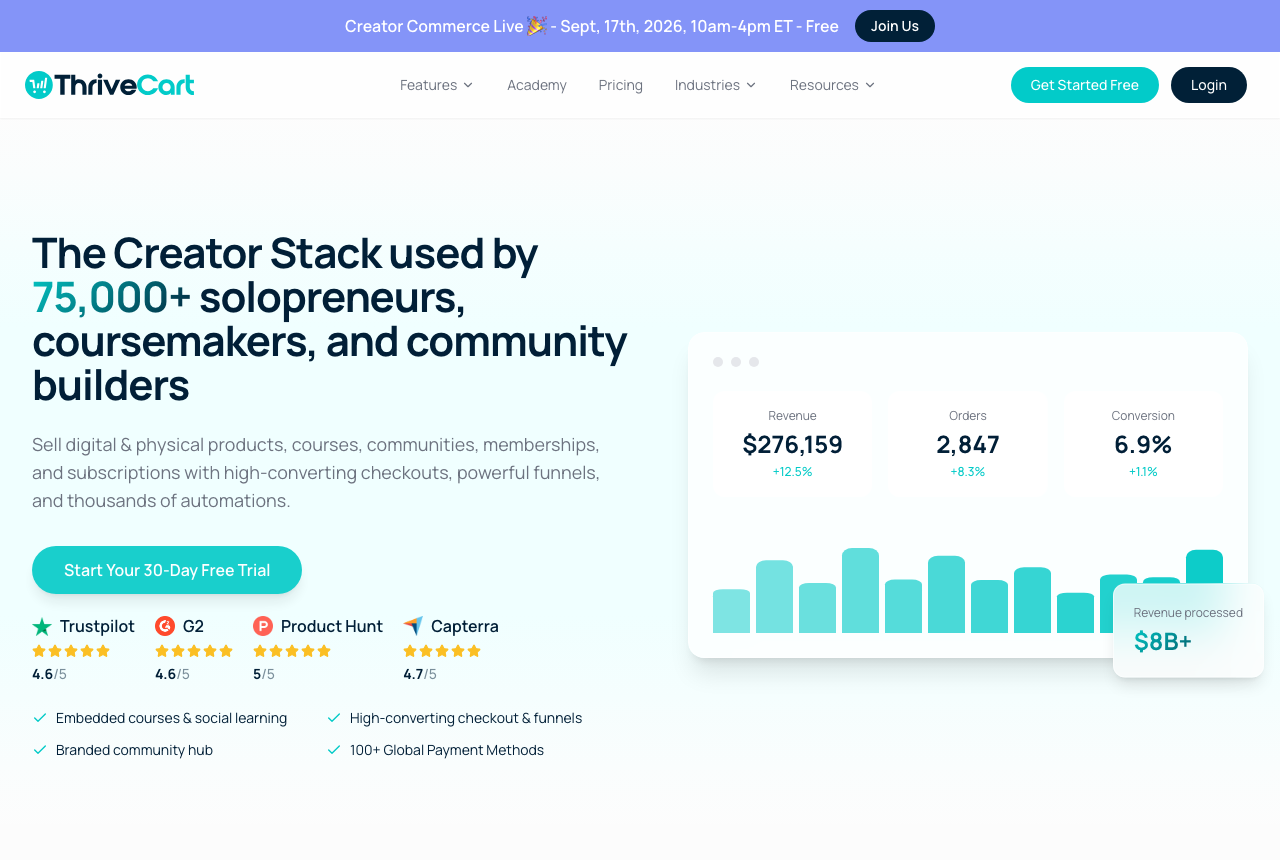
Pick ThriveCart if you already have your pages, your email and your audience and want a proven, deep checkout you can buy once, with order bumps, one-click upsells and an affiliate centre and no cut taken on your sales; pick Kajabi if you are building a whole knowledge business and want the courses, the community, the memberships and the strongest delivery experience in the category under one login, and can justify its higher monthly price as you grow.

Thinking of switching?

All switching guides

Switching guide

Alternatives to Kajabi

Kajabi is the pick if you are building a course or membership business and want the pages, the community, the email and the checkout under one login, with the strongest delivery experience in the category and no cut of your sales. The catch is cost. The entry plan jumped to $179 a month in 2026 and its contact limit was cut, so it only pays off once you are actually selling.
Switching guide

Alternatives to BigSpy

BigSpy is the pick if you want the cheapest, widest ad library for creative inspiration across many platforms, as long as you start on the free plan, treat its metrics as directional, and set a reminder before any renewal.

Switching guide

Alternatives to Checkout Champ

Checkout Champ is the pick if you already sell at real volume, run one-click upsells and subscriptions, and need to route payments across several merchant accounts from one CRM. It is a full direct-response platform with the learning curve to match. The catch is the commitment: it starts at $300/mo plus 1% of sales, there is no free trial or self-serve signup, and it hands you the hard parts. Tracking, chargebacks and gateway setup are yours to get right.

Switching guide

Alternatives to AdsBridge

AdsBridge is a real, long-running cloud tracker that bundles a landing page builder and split testing for less than Voluum or RedTrack, so it fits an affiliate who wants tracking and pages in one low-cost tool. Skip it if fast redirects at high volume or a native Meta conversion API are what you are paying for, because that is where buyers report it trailing the leaders.

Switching guide

Alternatives to Fospha

Fospha is a real, well-established measurement platform, so the risk is not whether it works. It is fit and cost. Buy it if you are a scaling or enterprise retail brand spending at least $100k a month on media, you sell across DTC and marketplaces like Amazon or TikTok Shop, and you want a platform-independent read on what your paid media is really doing. Skip it if you are a small store or a solo buyer whose spend lives in one or two ad platforms, where the $1,500 floor and the modeled, directional numbers cost more than your question needs.

Switching guide

Alternatives to Gumroad

Gumroad is real, and it has been since 2011. For getting a first digital product online it is the fastest, cheapest way to start: no monthly fee, and it handles sales tax worldwide for you as merchant of record. Buy it if you are launching an ebook, template or course and want to be selling today. Think hard before you scale on it, because the flat 10% fee gets expensive with volume, and withheld payouts and sudden account suspensions are the recurring complaint against it.

Latest articles

Every review

Order Bump vs One-Click Upsell

Order bump vs one-click upsell: when each offer appears, what size of offer suits it, which to launch first, and the checkouts that run both.

Server-side tracking vs pixel (2026)

Server-side tracking vs the browser pixel: what each sends to Meta, Google and TikTok, when the pixel alone is enough, and how to run both without double counting.

Affiliate tracking software, reviewed

A plain review of affiliate tracking software: that the phrase names two different products, which one a media buyer actually needs, and the two ways buyers end up regretting the spend.

Landing page builders, reviewed

A plain review of the landing page builder category: that it splits into standalone hosted tools and on-platform plugins, which one you actually need, and the three ways buyers regret the spend.

What a tracker costs to run

What a simple affiliate tracker really costs in 2026, why the bill is set by events rather than spend, and how to estimate your own monthly cost. Prices verified against each vendor.

What affiliate tracking costs

What affiliate tracking software actually costs in 2026, from free tiers to the metered overages the pricing page hides. Prices verified against each vendor.

Native ad spy free trials

Which native ad spy tools offer a free trial in 2026, and which do not. The honest cost of AdSpy, Anstrex and Foreplay, plus the refund windows the pricing page glosses over.

Best ad tracker for media buyers (2026)

The ad trackers we rank for performance media buyers, from long-term user reports and verified pricing. RedTrack, Voluum, Binom, BeMob and FunnelFlux Pro, with what each one is bad at.

Why this site exists

The tool you should cancel first

The platform says your ROAS is 4.1. Your bank account disagrees. You are paying for a tracker, an attribution tool, a page builder and a spy tool, and you still open six tabs before you trust a single number. Every vendor calls itself the last tool you will ever need. None of them tells you what it is bad at.

Campaign Buyer covers the software that sits between the ad click and the sale, the part of the stack a media buyer actually pays for and has to choose. We do not review Meta Ads Manager or your project board. Those are given to you. We review the tools you sign up for and can cancel, and we tell you which one to cancel first.

Why trust a review here

  • Every pick names a weakness. Including the one we rank first. A tool with no stated downside is a tool nobody actually used.
  • We read the threads. What long-term users report on Reddit, Hacker News and review sites shapes the verdict, not the vendor's landing page.
  • We rank by order, not by a made-up score. No tool gets a 9.2 out of 10 we then have to defend cell by cell. Each pick earns one clear job it is best for.
  • We make money from some links, and we say which. An affiliate link never moves a tool up a list. Read how we make money and how we research.