Tracking vs modelingmedia buyer software
Click tracker vs Attribution platform
By Dana Rourke, Lead reviewer. Reviewed by Campaign Buyer Editorial. Updated 12 October 2026.
Quick answer
Pick a click tracker if you buy paid traffic and your first problem is stamping clicks, catching conversions server-side, and feeding them back to Meta, Google and TikTok through CAPI so campaigns keep optimizing on real buyers; pick an attribution platform if you already spend enough across channels that you need modeled multi-touch, view-through and media-mix views to decide where budget should move, and you have someone to own the model.
Side by side
| Click tracker | Attribution platform | |
|---|---|---|
| What it is | Deterministic paid-click measurement | Modeled cross-channel measurement |
| Core question | Which click or campaign converted? | How did channels contribute? |
| How it measures | Click IDs, pixels and server postbacks | Multi-touch models, MMM and incrementality |
| CAPI feedback | Core job | Not the primary conversion pipe |
| Multi-touch and MMM | Usually no | Core job |
| View-through channels | Limited to tracked rules | Modeled across channels |
| Best fit | Paid-traffic team without a data function | Six-figure multi-channel spend with an analyst |
| How products price | By events or traffic | By spend, channels and scope |
Why these categories get compared
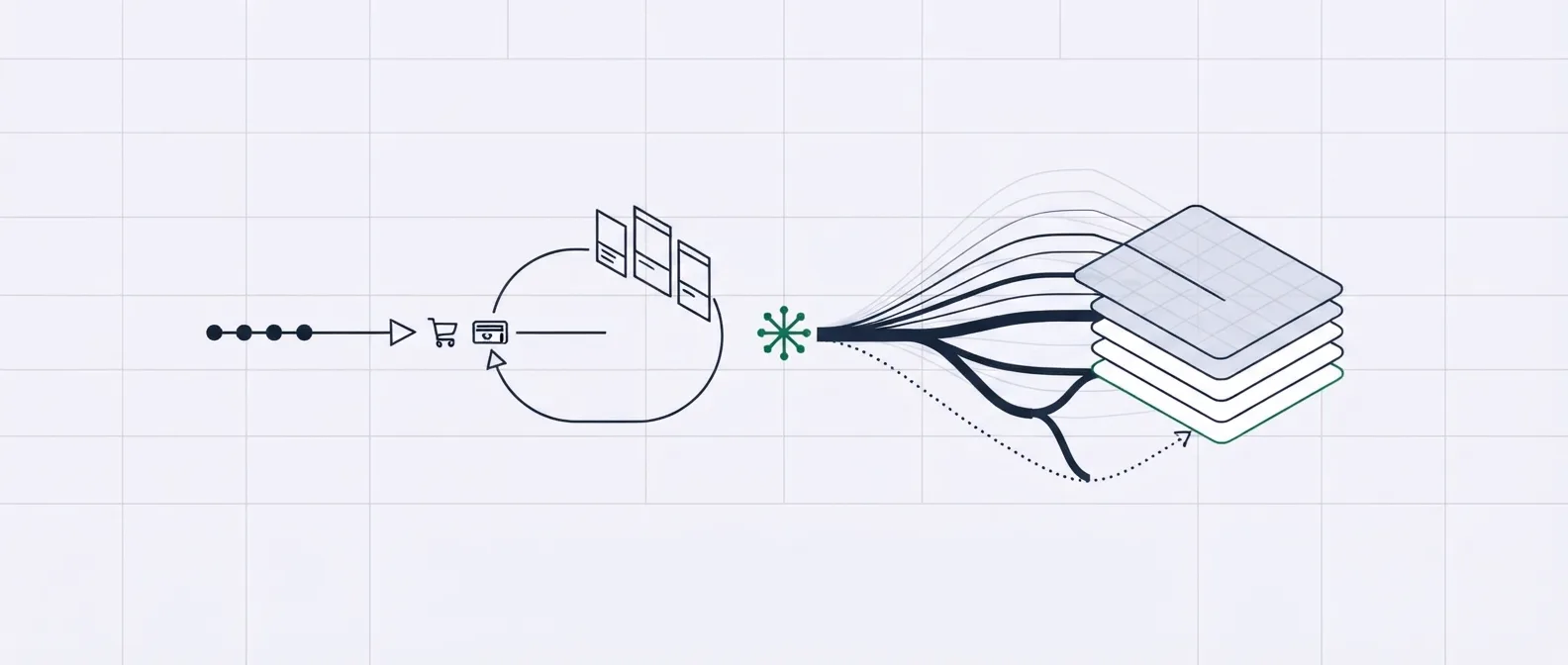
You are not choosing between two products here. You are choosing which question the next tool must answer. Search results blur the line because both categories talk about attribution, server-side events and cleaner reporting. The difference is the decision each one improves.
A click tracker asks: which click, campaign, landing page or offer produced this conversion, and can that result be sent back to the ad platform or affiliate network? An attribution platform asks: how much credit should each channel, touch and view receive, and where should the next budget dollar move?
That overlap explains why so many of our head-to-heads pair one side from each category. The RedTrack vs Northbeam head-to-head is the clearest example. Triple Whale vs Voluum makes the same fork for a Shopify-focused attribution product and an affiliate tracker. Voluum vs Hyros shows it again when a tracker meets a product built around longer purchase journeys.
What a click tracker answers
A click tracker creates a deterministic chain. It records a click ID, connects that click to a conversion through a pixel or server-to-server postback, imports costs, then reports return by source, campaign, landing page or offer. The useful output is operational: this campaign made these sales, this landing page beat that one, and these buyer events need to go back to Meta, Google or TikTok through CAPI.
That conversion-feedback loop matters because the ad platform can optimize only against the events it receives. RedTrack describes the job directly: capture clicks and conversions server-side, then route conversions back through CAPI so the platform learns from real outcomes. A tracker can also pass conversions to an affiliate network through postbacks.
Many trackers use the word attribution, but the reporting is usually built around a known click path or a chosen click rule. Estimating channel contribution through multi-touch models, view-through exposure, incrementality tests or media-mix modeling is a separate discipline.
For most paid-traffic buyers, this is the first layer to buy. It starts at a lower price, fixes missing conversion feedback, and does not require an analyst to own a model. Our ad tracker ranking covers the product choices. The broader RedTrack review shows what the category looks like in one established product.
What an attribution platform answers
An attribution platform starts from a different problem. A brand is already spending across several channels, and last-click reporting cannot explain how paid social views, search clicks, email, direct visits and repeat purchases worked together. The platform combines multi-touch attribution with broader methods such as media-mix modeling and incrementality to guide budget allocation.
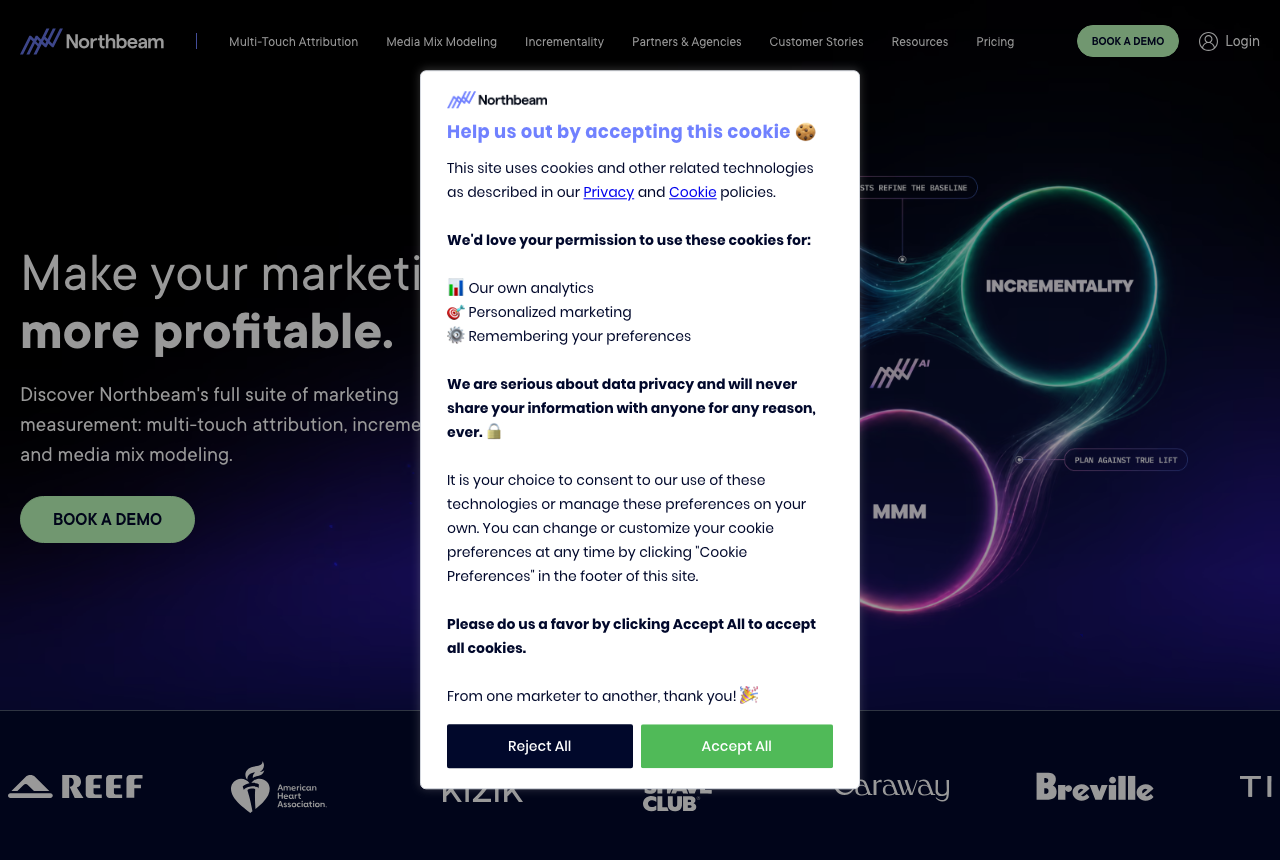
Northbeam describes a suite that combines multi-touch attribution, incrementality and media-mix modeling. Its multi-touch product supports several models, flexible accounting modes and long lookback windows. Those are planning tools. They help a team compare channel contribution and test whether a channel caused additional revenue.
The results need judgment. When several ad platforms can claim the same conversion, dashboard totals are directional rather than numbers to add together. Someone must maintain the inputs, choose the model and explain why a budget decision follows. A six-figure monthly media program with an analyst can justify that work and a much higher software floor. A smaller team often cannot.
An attribution platform is also not automatically the conversion pipe back to the ad networks. Server-side delivery makes events more reliable, but it does not decide how credit should be divided across touches. Larger teams often keep a click tracker for platform feedback and add modeled attribution for planning. See our ecommerce attribution software roundup for the products built around that second job.
Ad tracker vs attribution software: ignore the label
Listings use ad tracker, click tracker and attribution software loosely. Do not buy from the category name. Ask what happens after a sale is recorded.
- If the tool connects a known click to a conversion, reports campaign ROI and sends the event back through CAPI or a postback, treat it as a tracker.
- If it weighs several touches, views and channels to estimate contribution and guide budget, treat it as an attribution platform.
The plain decision rule is this: buy the conversion pipe before the budget model. Add the model when the spend at risk and the person responsible for it justify the cost.
Where ElasticFunnels fits
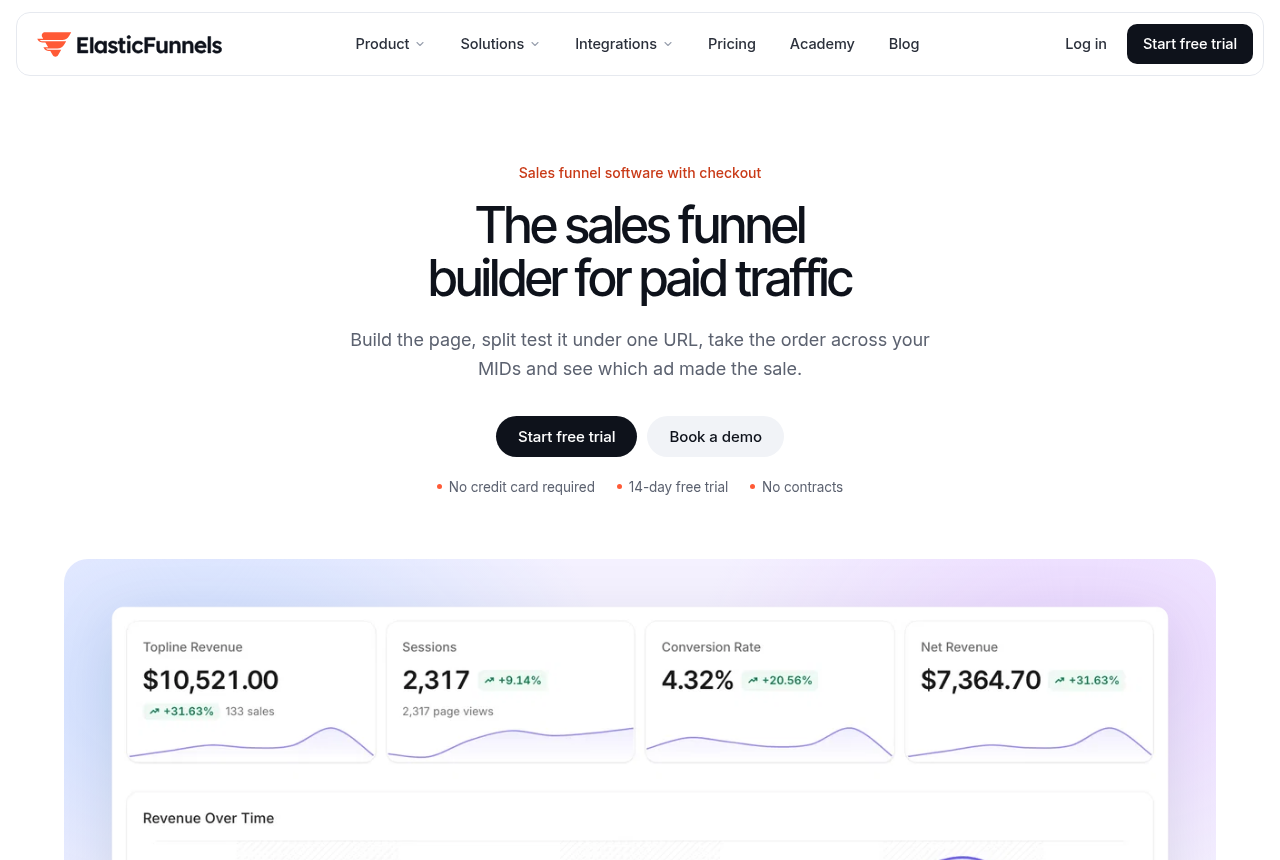
ElasticFunnels is a funnel platform for teams running paid traffic. It builds pages with an AI builder or URL cloner, rotates test variants under one campaign URL, hosts checkout, and keeps attribution, CRM records, automations and call-center work on the same data layer. A click, order, rebill and refund from a funnel it hosts can stay on one customer timeline.
That makes it the build-and-sell layer beneath this comparison. It does not offer the campaign-routing depth of a specialist self-hosted click tracker, and it does not run media-mix or incrementality models. Its useful overlap is that the page, same-URL test, checkout and resulting revenue live together before another tool models the wider channel mix.
The checkout supports order bumps, one-click upsells and subscriptions. Multi-MID routing applies only to sellers using several NMI merchant accounts. It can split each first sale across those accounts by weight and rules, while upsells and rebills remain on the MID that took the first sale. A team using one Stripe account still gets the pages, testing, checkout, attribution and CRM, but not that routing feature.
Starter costs $97 a month, Growth $197 and Scale $497. Every feature is on every plan, with differences in usage limits. Revenue processed through its hosted Stripe, NMI, PayPal, Klarna or Authorize.net checkout carries a 0.5% fee. External checkout and network sales are not charged that fee.
The material drawback is proof. ElasticFunnels is newer than the platforms it competes with, and there is very little independent third-party review coverage to test its claims against. Until you run real volume through it, you are relying mostly on the vendor's account of how the reporting holds up. It has been built since 2023, which explains why the outside record is thin, but does not remove the uncertainty. The 14-day free trial needs no card, so you can validate a funnel and its reporting against your own campaign before committing.
When to use one or both
Start with a click tracker when paid clicks are losing their conversion trail, platform reporting is drifting, or affiliate postbacks are the immediate problem. That is the common case for a media buyer without a dedicated data team.
Choose an attribution platform when several channels can plausibly claim the same sale, monthly media spend is in six figures, and an analyst or data owner will maintain the model and act on it. The higher fee makes sense only when a small allocation change is worth more than the software.
Run both when you need reliable conversion delivery for campaign optimization and a modeled cross-channel view for planning. The tracker maintains the deterministic event path. The attribution platform estimates contribution across paths the tracker cannot observe as one click chain.
Put ElasticFunnels underneath either setup when you also need to build the paid-traffic pages, run same-URL tests, take payment and keep the customer record in one funnel system. It can reduce handoffs in the path it hosts, but it does not remove the need for specialist tracking across outside destinations or modeled allocation across a large channel mix.
The decision in one budget meeting
Write down the decision you cannot make today. If it is “Which campaign or landing page made this sale, and did the ad network receive the conversion?”, choose the click tracker. If it is “How much did each channel contribute, including views and repeated touches, and where should next month's budget move?”, choose the attribution platform.
Then check ownership. A tracker still needs clean tokens, event mapping and postbacks. An attribution platform adds model governance. If nobody on the team can explain or maintain the model, its dashboard will not make the budget decision for you.
For the typical Campaign Buyer reader, the click tracker wins because deterministic measurement and CAPI feedback solve the earlier, more common problem at a far lower entry cost. The attribution platform plainly wins for a larger multi-channel brand with enough spend and staffing to turn modeled evidence into allocation decisions. Browse all head-to-head comparisons or read how we research before narrowing the shortlist.
Tools that do each job
The products we review on each side of this fork, linked to their full reviews.
Click trackers
They stamp the paid click, catch the conversion by pixel or postback, and return it to the ad platform.
-
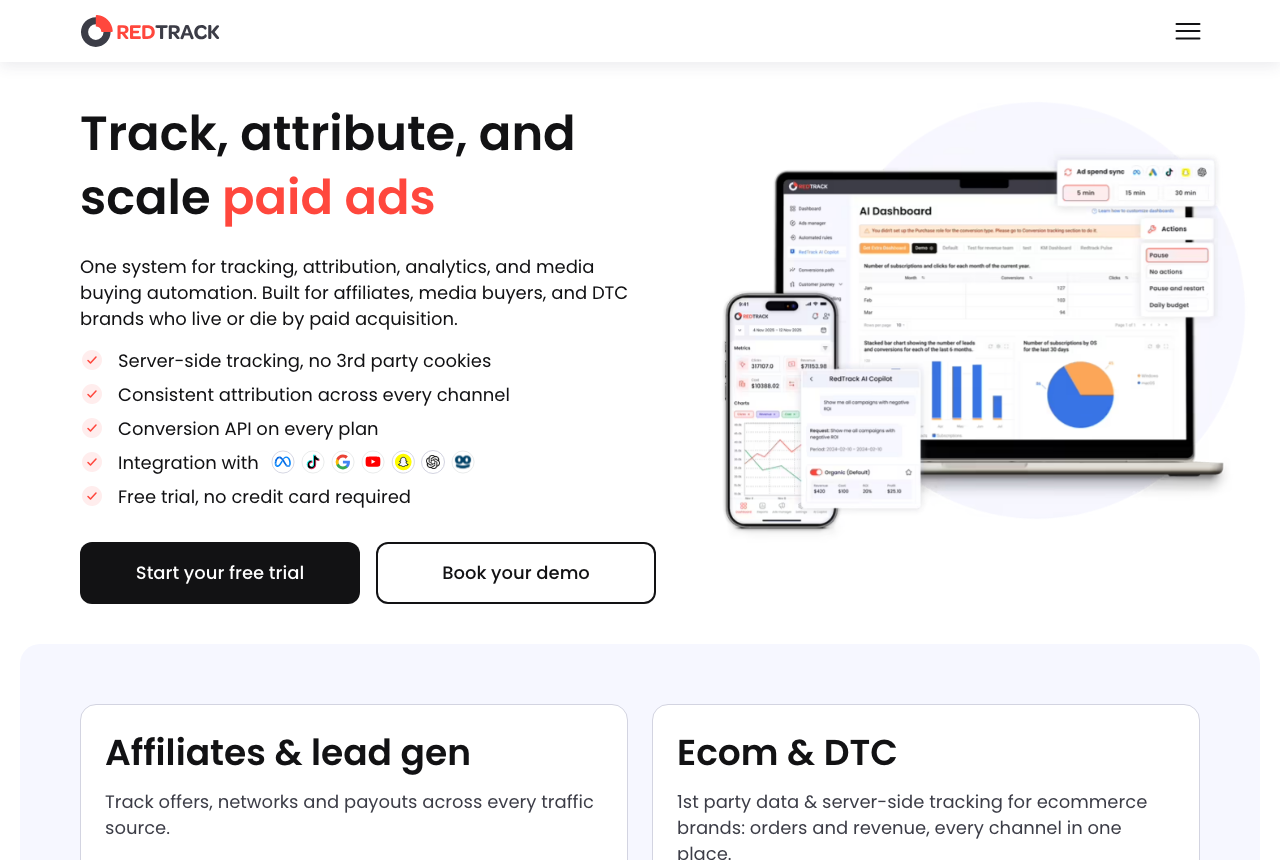
RedTrack review
Best for paid-social and ecommerce buyers who need server-side conversions.
-
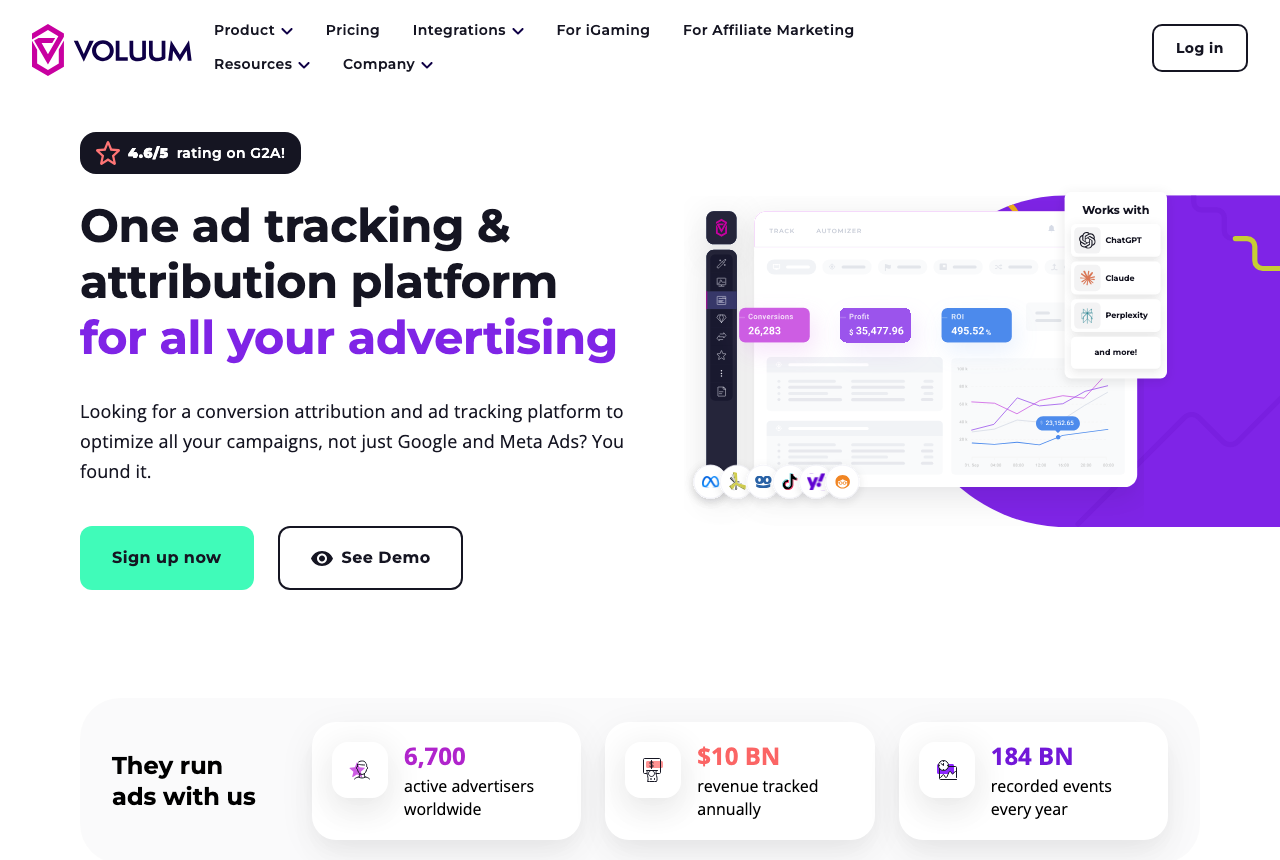
Voluum review
Best for affiliate and native buyers who want a proven, low-friction cloud tracker.
-
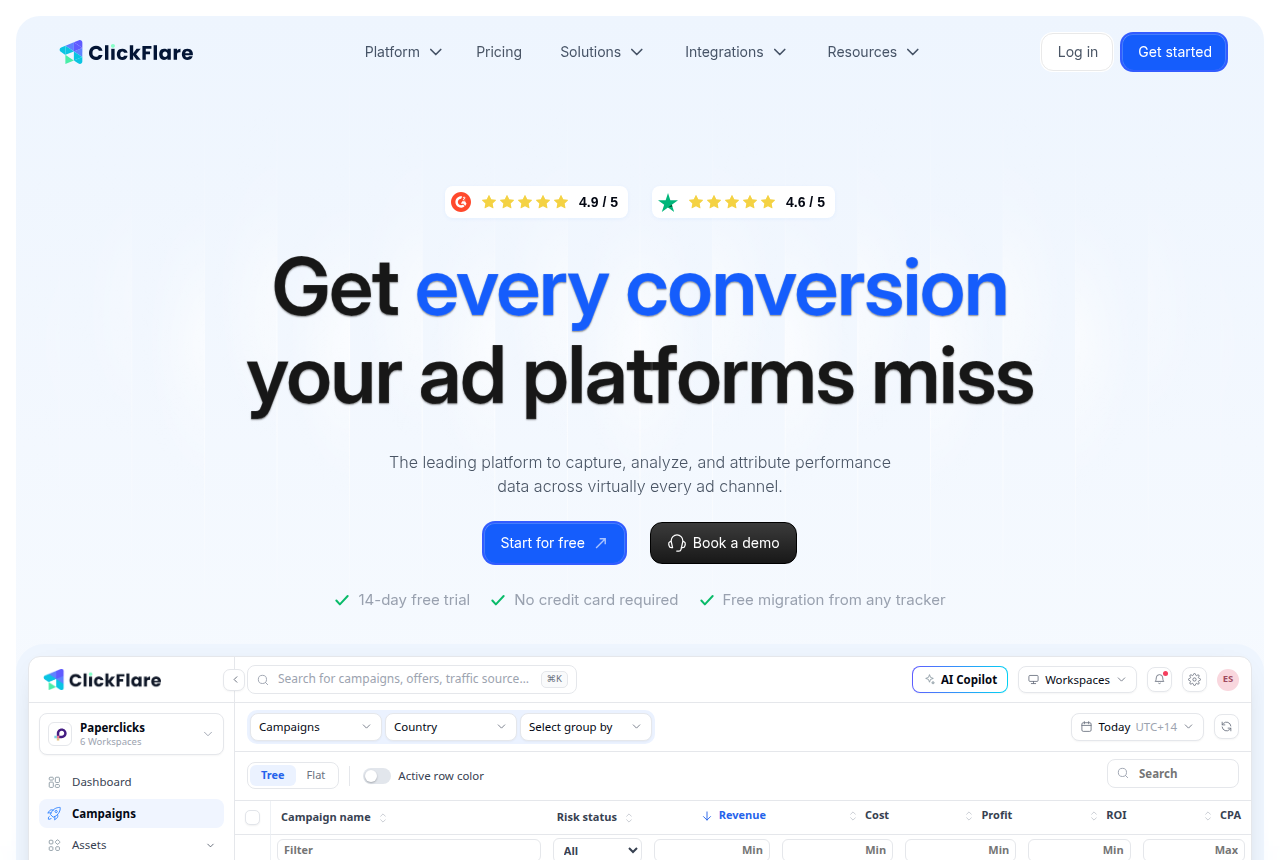
ClickFlare review
Best for buyers who want Voluum-class tracking with cost sync and CAPI at a lower flat price.
Attribution platforms
They model credit across touches, views and channels so a team can move budget.
-
Northbeam review
Best for high-spend DTC brands with a data owner to run the models.
-
Triple Whale review
Best for Shopify DTC brands wanting attribution and AI insights in one app.
-
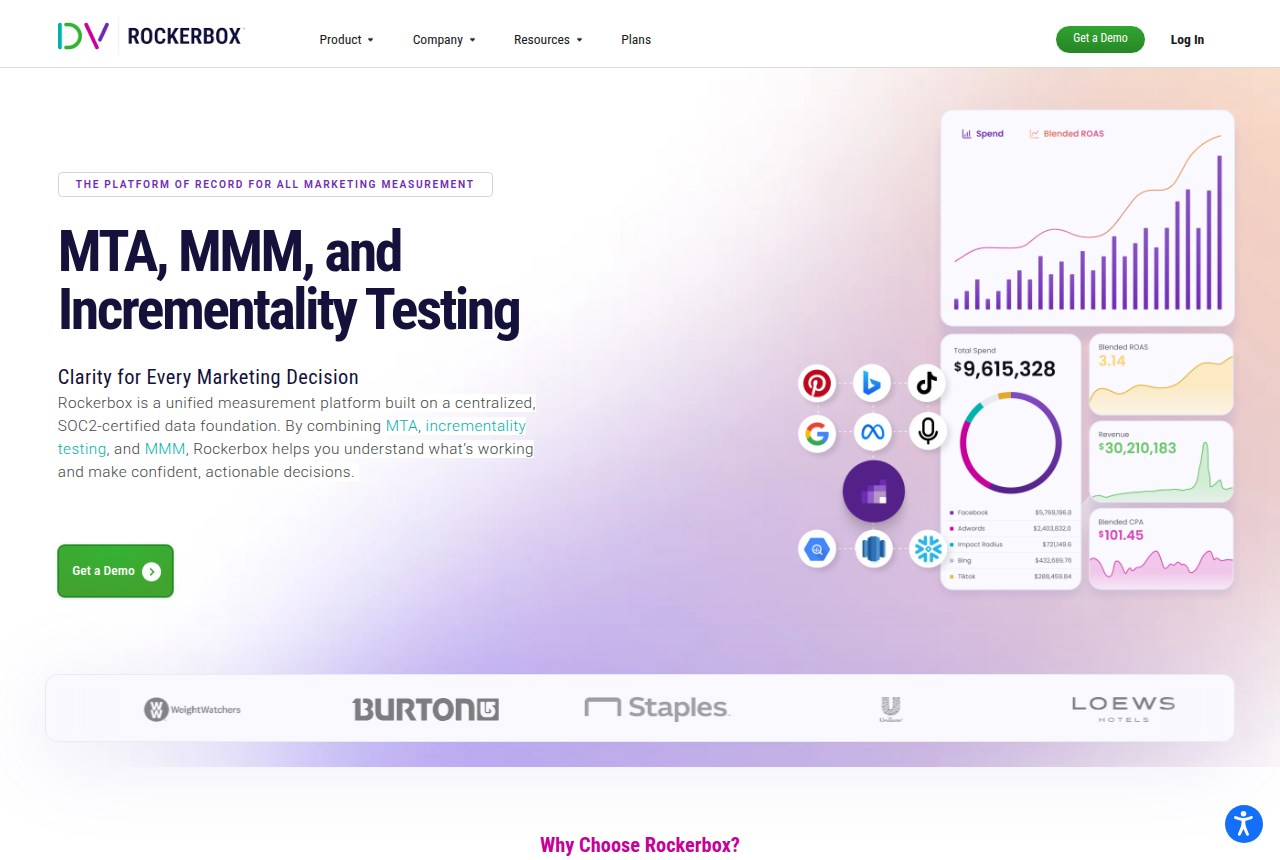
Rockerbox review
Best for mid-market and enterprise brands measuring offline and digital together.

The funnel underneath either
A funnel platform that hosts the pages and checkout keeps the click, order, rebill and refund on one record before either measurement layer reads it.
-
ElasticFunnels review
Best for running the pages, split testing, checkout and reporting as one funnel platform instead of four separate tools.
Frequently asked questions
Click tracker or attribution platform: which should I use?
Do click trackers and attribution platforms do the same job?
Does server-side tracking mean I do not need a click tracker?
Can you use ElasticFunnels instead of either?

Written by
Dana Rourke
Lead reviewer
Dana Rourke is the lead reviewer at Campaign Buyer. She owns the tracker and attribution coverage: reading what long-term users report about each tool, checking its documentation and pricing, and verifying prices with the vendor before writing the verdict. Keeping the rankings honest mostly means writing down what the top pick gets wrong, so she does that first.
Last checked 2026-10-12