Systeme.io is the pick if you are a beginner or solo creator who wants funnels, email, a course and your own affiliate program in one cheap login, without paying for four separate tools. It is a real, widely used platform, and its free plan lets you build and launch before you spend anything. The catch is a design and automation ceiling you can outgrow once your offers get complex.
You have heard the name, probably in a creator group or a "best ClickFunnels alternative" thread, and the real question behind the search is simple: is Systeme.io a real product you can trust with your business, and will you regret paying for it. The short answer is that it is real. The company says more than 500,000 entrepreneurs use it, and it has been building the same product for years.
Whether you will regret it is a narrower question, and here it turns on fit more than cost. Systeme.io has a free plan that never expires, so trying it costs close to nothing. The risk is outgrowing it. Our read, from the vendor's own pages and from what long-term users report, is below.
What Systeme.io actually is
It is one platform for the pieces of an online business that usually live in separate subscriptions: sales funnels, email marketing, a website and blog, online courses, communities, a booking calendar, and your own affiliate program. You build the opt-in page, the email sequence, the checkout with order bumps and one-click upsells, and the course delivery inside the same account. The pitch, in the company's own words, is "the only tool you need to launch your online business".
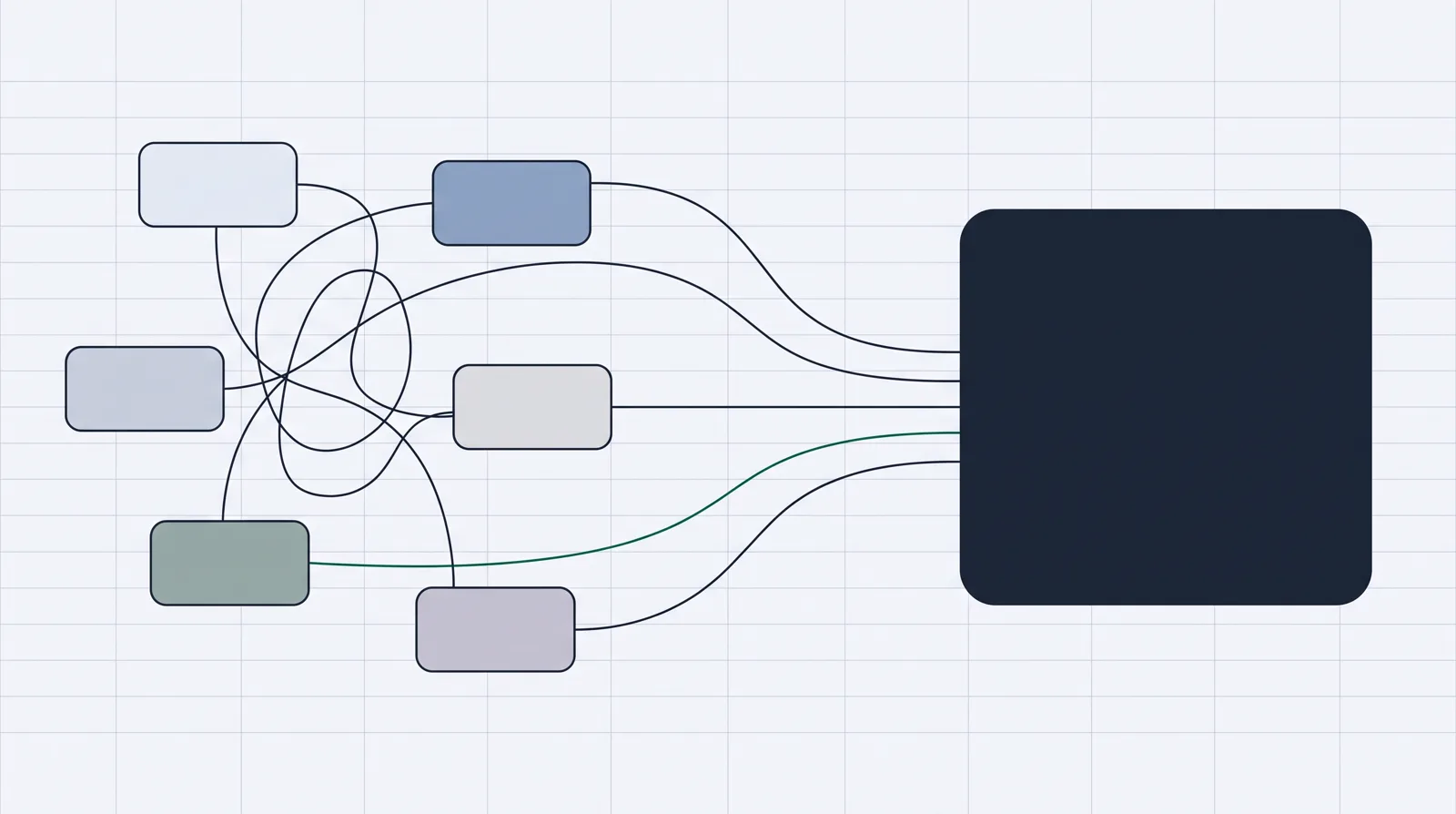
The draw is consolidation: several separate tools replaced by one login.
That breadth is the main reason to consider it. A solo creator running a course or a coaching offer can get a working funnel, an email list and a members area live without a stack of monthly bills or the glue code between them.
Is Systeme.io legit?
Yes. There is no reasonable case that Systeme.io is a scam. It processes real payments through Stripe and PayPal, it has a large public user base, and its free plan has no time limit and never flips to a charge. If you are asking because the marketing sounds too good, keep that instinct and point it at the reviews.
Systeme.io runs an aggressive affiliate program, and a large share of its online praise is written by people who earn a commission when you sign up. Even Reddit posts titled as an "honest review" often read as promotional. So trust your own free-plan trial more than any five-star write-up, this one included. Build one real funnel, connect a domain, send a test email, run a checkout, and see whether it handles your actual workflow.
Who it is genuinely for
Systeme.io fits a beginner or solo operator who values speed and low cost over control. Coaches, course creators, affiliate marketers and info-product sellers are the core audience, and the free-to-$17 range is where it has almost no competition. If your job is to get a lead magnet, an email sequence, a simple checkout and a course online this week, it does that with less friction than assembling specialist tools.
It fits badly for a business that already needs polish or depth. If your brand lives or dies on high-end design, if your email strategy depends on behavioural automation, or if you run several brands or client accounts with separate permissions, you will hit walls. The same is true for aggressive paid traffic: a media buyer who leans on message match, granular split testing and deep checkout logic will find the tooling thin.
Where you will feel the limits
The most common complaint, by a wide margin, is design. The editor is easy to learn and rigid, and the templates look plain. One long-term user put it plainly: the editor is "okay, but branding always felt slightly off for higher end offers". Custom HTML and CSS are possible with caveats, so a site that needs pixel control belongs on a real website builder.
The second wall is depth. Sellers with more complex offers report leaving when they need more than the basics. "Left systeme because checkout customization was too limited for my offer structure", one wrote. Another described the same ceiling on the email side: "Systeme io was fine until I needed conditional logic in emails. That's where it broke for me". A third summed up the trade in a single line: "Systeme's strength is simplicity, which becomes its weakness at scale".
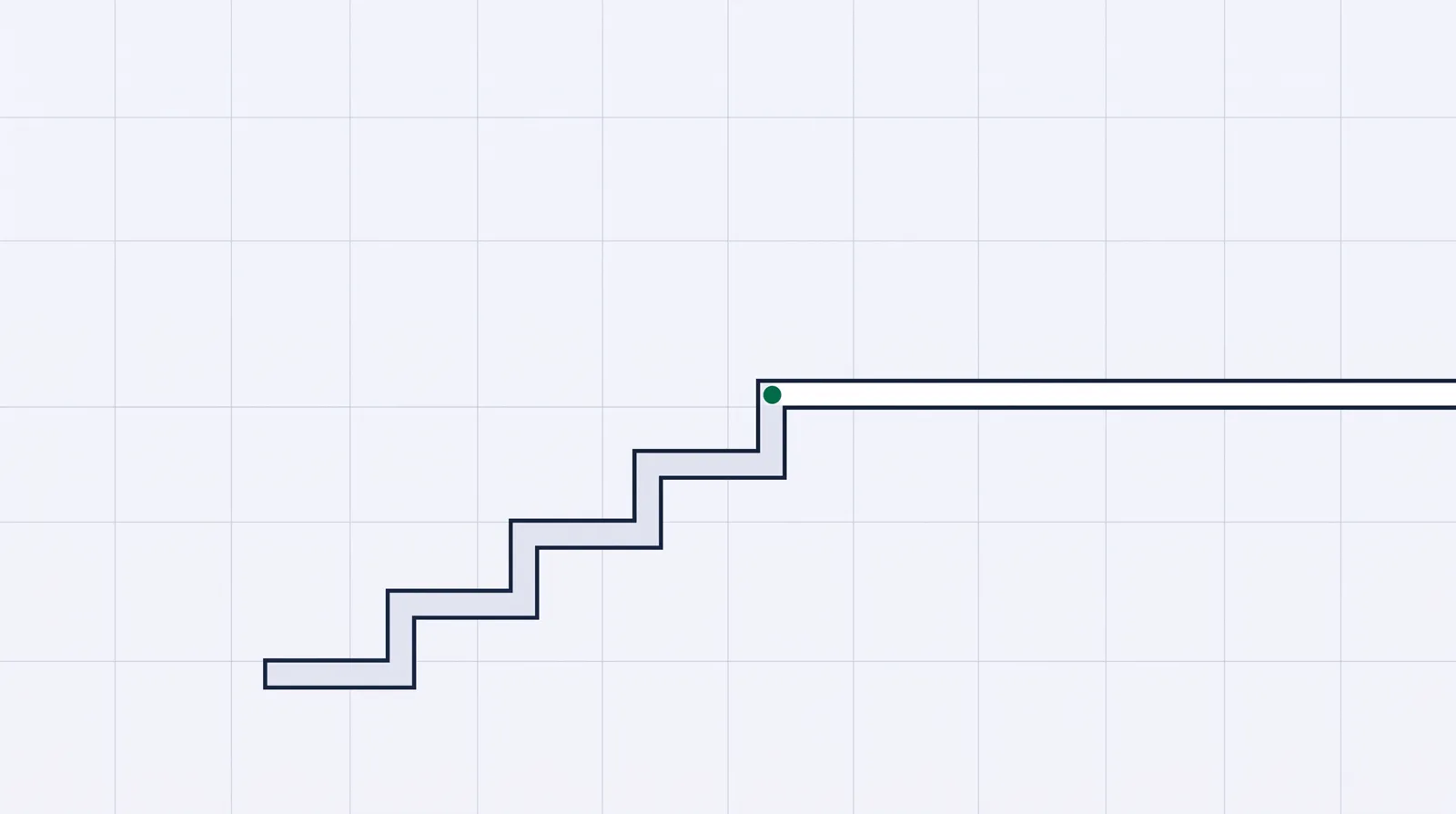
Growth flattens where the editor, the email logic and the checkout stop.
Courses and communities follow the same pattern. They work, and for most people they are enough, but they trail dedicated tools. Users comparing the community feature to Skool call it capable but "not as advanced", and some niche needs, like natively collecting testimonials, require a workaround. None of this is a dealbreaker for the audience Systeme.io is built for. It is what you would expect from a tool that chose breadth and simplicity over leading any one category.
What it costs
This is where Systeme.io is hardest to argue with. There are four tiers. The free plan covers up to 2,000 contacts, 3 sales funnels, 1 blog, 1 course and 1 affiliate program, with no credit card and no expiry. Startup is $17/mo for 5,000 contacts and unlimited funnels. Webinar is $47/mo for 10,000 contacts and adds automated webinars. Unlimited is $97/mo for unlimited contacts, sub-accounts and free migration. Annual billing gives two months free, and every plan, including the free one, charges 0% in platform transaction fees and allows unlimited email sends.
For comparison, the vendor lines up a typical separate stack, a funnel builder plus an email tool plus a course host plus affiliate software, at well over $200/mo. Take that with a pinch of salt, but the gap is real: Systeme.io's paid ceiling is roughly the price of a single competitor's entry plan. For the full breakdown, tier by tier, see our Systeme.io pricing breakdown. The one thing to watch is contact count, since that is what pushes you up the tiers.
Where it fits against the alternatives
If you want a sharper funnel builder for paid traffic and do not mind paying for it, ClickFunnels is the funnel-first name, and it is worth reading our ClickFunnels review alongside this one. If you are running a course or membership business with real revenue and want more depth than Systeme.io offers, Kartra is the deeper platform at a higher price. And if you have already outgrown the design or automation ceiling, the usual move is a specialist tool for the one job that broke. We line those options up on the Systeme.io alternatives page, and you can browse the rest of the stack in our reviews of the conversion tools.
Systeme.io is a real, cheap platform and the right first tool for a creator or a beginner, and the free plan makes trying it almost risk-free. Regret comes to buyers who expect a specialist's design polish, automation depth or checkout control from it.
Pros and cons
What works
The free plan runs a working business: up to 2,000 contacts, 3 sales funnels, a course, a blog and your own affiliate program, with no credit card and no expiry date. You can launch a live funnel before paying a cent.
One login replaces four subscriptions. Funnels, email, courses, a website and affiliate management run from the same account, so there is no glue code between a page builder, an email tool and a course host.
Cheap even when you pay. Paid plans start at $17/mo and top out at $97/mo for unlimited contacts, well below funnel-first rivals that open near $97 and climb from there.
No transaction fees, ever. Every plan takes 0% on top of your Stripe or PayPal fees, and email sends are unlimited, so the bill does not balloon as your sales and list grow.
Fast to learn and launch. Long-term users keep it for the same reason they picked it: fewer moving parts and less setup, which is what a first funnel actually needs.
What to watch
The page builder and templates are basic. Fine for simple funnels and landing pages, but restrictive if you want pixel-level control or a high-end brand look. One long-term user called the editor "okay, but branding always felt slightly off for higher end offers".
You can outgrow the automation and checkout. Conditional email logic, deeper checkout customization like tax handling, and heavier CRM or multi-brand workflows are where sellers say they leave for a specialist. The simplicity that draws you in is also the limit.
Courses and communities are good enough, but they trail dedicated tools like Skool, and some niche features, such as natively collecting testimonials, need a third-party workaround.
Much of the online praise is affiliate-driven. Systeme.io runs a strong affiliate program, and a lot of its glowing coverage, including Reddit "honest review" posts, reads as promotional. Weight your own free-plan trial over the hype.
What buyers keep saying
Research: unverified
The free plan is real, and value is the loudest praise↑ frequently praised
The most repeated point in positive reviews is that the permanent free plan (2,000 contacts, three funnels, one course, no card) genuinely lets a beginner run a business at zero cost, and that the paid tiers replace a stack of separate tools (a funnel builder, an email tool, a course platform, an affiliate tool) for far less than buying them apart.
“The ease of use of the editor is second to none.”
It is built to be simple for non technical users↑ frequently praised
Reviewers consistently call the editor and funnel builder easy to learn, with drag-and-drop across pages, courses and automations, so a first funnel can go live quickly without code or hosting to configure.
“The ease of use of the editor is second to none.”
The recurring criticism is design flexibility. Templates are described as functional but forgettable, and the drag-and-drop editor can feel limited and glitchy next to dedicated page builders, so teams that need pixel control or advanced split testing hit a ceiling.
Long-form reviews frame the trade-offs honestly: everything is hosted on Systeme.io's servers rather than your own, the blogging and SEO tooling is basic, and it is not built for large-scale ecommerce with complex inventory. The low price buys breadth and simplicity, not depth in any one area.
“much more limited in scope and often a bit clunky and glitchy”
Dana Rourke is the lead reviewer at Campaign Buyer. She owns the tracker and attribution coverage: reading what long-term users report about each tool, checking its documentation and pricing, and verifying prices with the vendor before writing the verdict. Keeping the rankings honest mostly means writing down what the top pick gets wrong, so she does that first.